Start small
Choose a practice that can be repeated when the calendar is busy. A short walk, a prepared breakfast, or five quiet minutes can reveal more than a complex plan that rarely begins.
Practical reading
The Loreus guide desk turns broad ideas into questions, sequences, and observations that adult men can adapt to their own schedules and surroundings.
Choose a practice that can be repeated when the calendar is busy. A short walk, a prepared breakfast, or five quiet minutes can reveal more than a complex plan that rarely begins.
Record the setting around an activity: time, weather, footwear, work demands, company, and mood. Context makes later reflection more useful and less judgmental.
At the end of the week, ask what felt workable and what created unnecessary friction. The purpose is adjustment, not self-scoring.
| Need | Start with | Review after |
|---|---|---|
| A calmer morning | Prepare one item the evening before | Three ordinary mornings |
| More movement | Add a short route between existing tasks | One week of varied schedules |
| Better reflection | Write three neutral observations | Seven days |
| Shared practice | Invite one person with clear expectations | Two meetings |
“A guide should lower the distance between an idea and the next reasonable step. It should also leave enough room for the reader to decide.”
That balance shapes Loreus: specific enough to be useful, open enough to respect different lives.
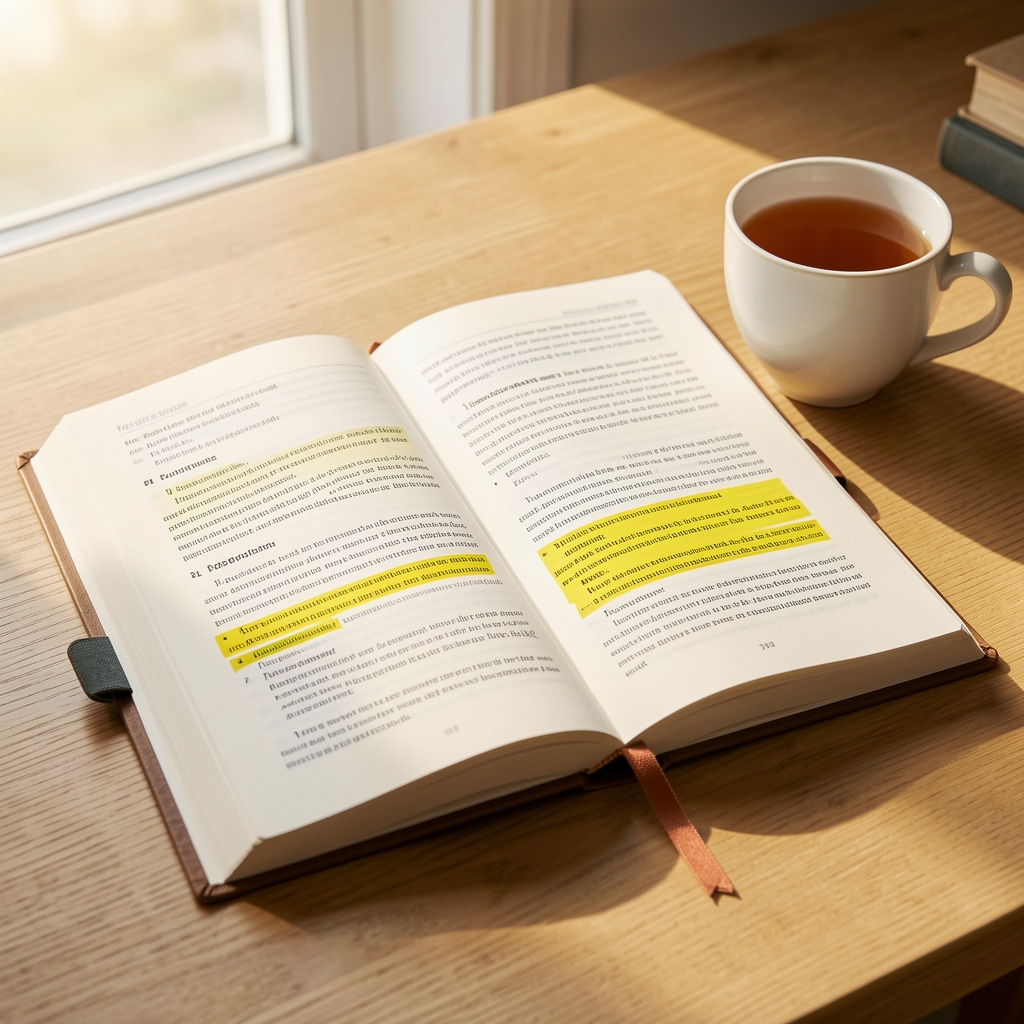
Use a single page to describe the activity, the setting, the time available, and one thing to observe. Avoid turning the note into a performance report. A field note can say that a route was quiet, that a meeting began late, or that a plan was easier after preparation.
After several entries, patterns may become visible. You might notice that outdoor activity is easier before the day becomes crowded, or that conversation helps a walk feel shorter. These are observations to consider, not rules that apply to everyone.
Enough to remove avoidable uncertainty, not so much that the plan becomes another burden.
Record the mismatch and revise one part. A smaller, clearer version often reveals more than abandoning the whole idea.
Yes, when the setting and limitations remain visible. Invite discussion rather than presenting a personal routine as universal.
Explore movement, routines, mobility, and recovery through the Loreus guide desk. Questions and corrections can be sent to Jl. Thamrin No. 8, Menteng, Central Jakarta, Jakarta 10310, Indonesia, or +62 21 6815 3047.