Range
Range is the available space for a movement in a particular position. It changes with the surface, object, footwear, and attention.
Movement in place
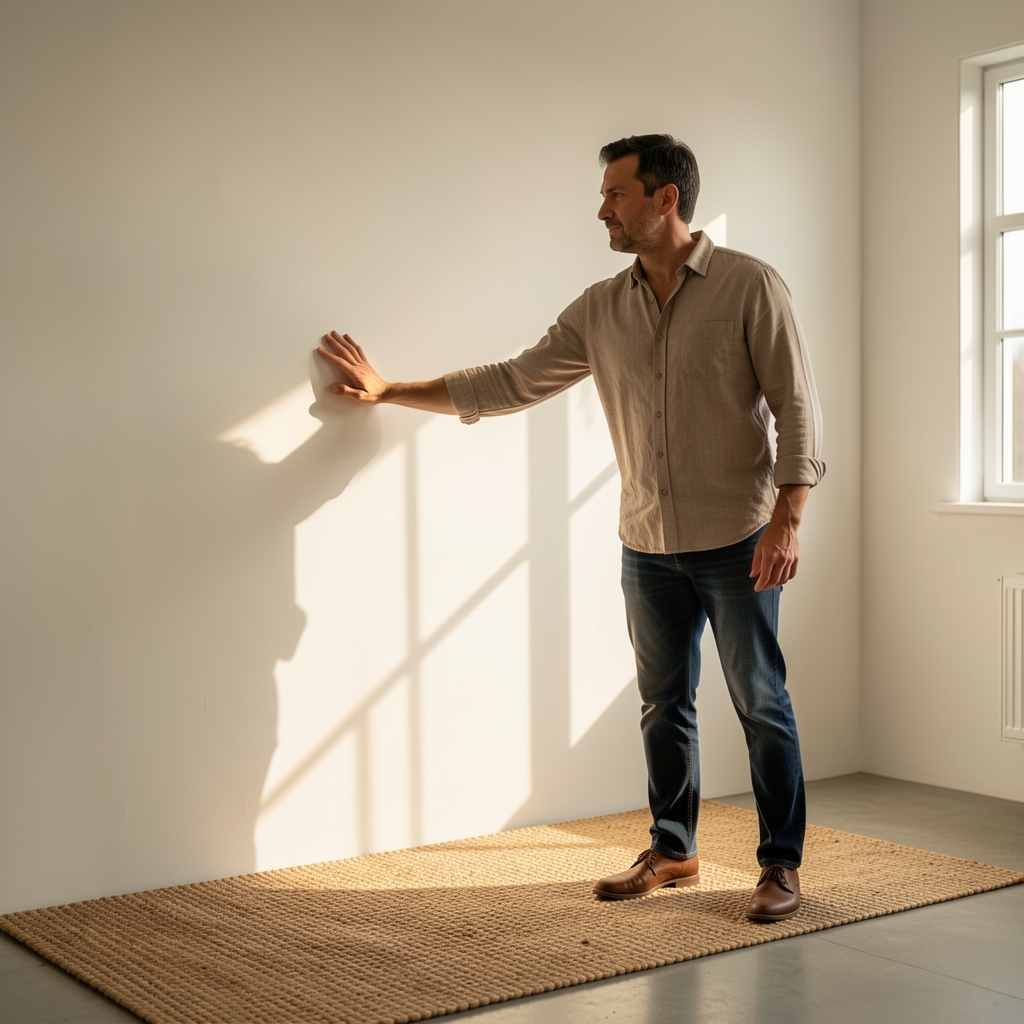
Mobility is not only a formal exercise topic. It appears when a person turns, reaches, rises, walks, sits, carries, and changes direction across an ordinary day.
| Setting | Movement demand | Useful adaptation |
|---|---|---|
| Small room | Turning and reaching | Clear one pathway and slow the direction change |
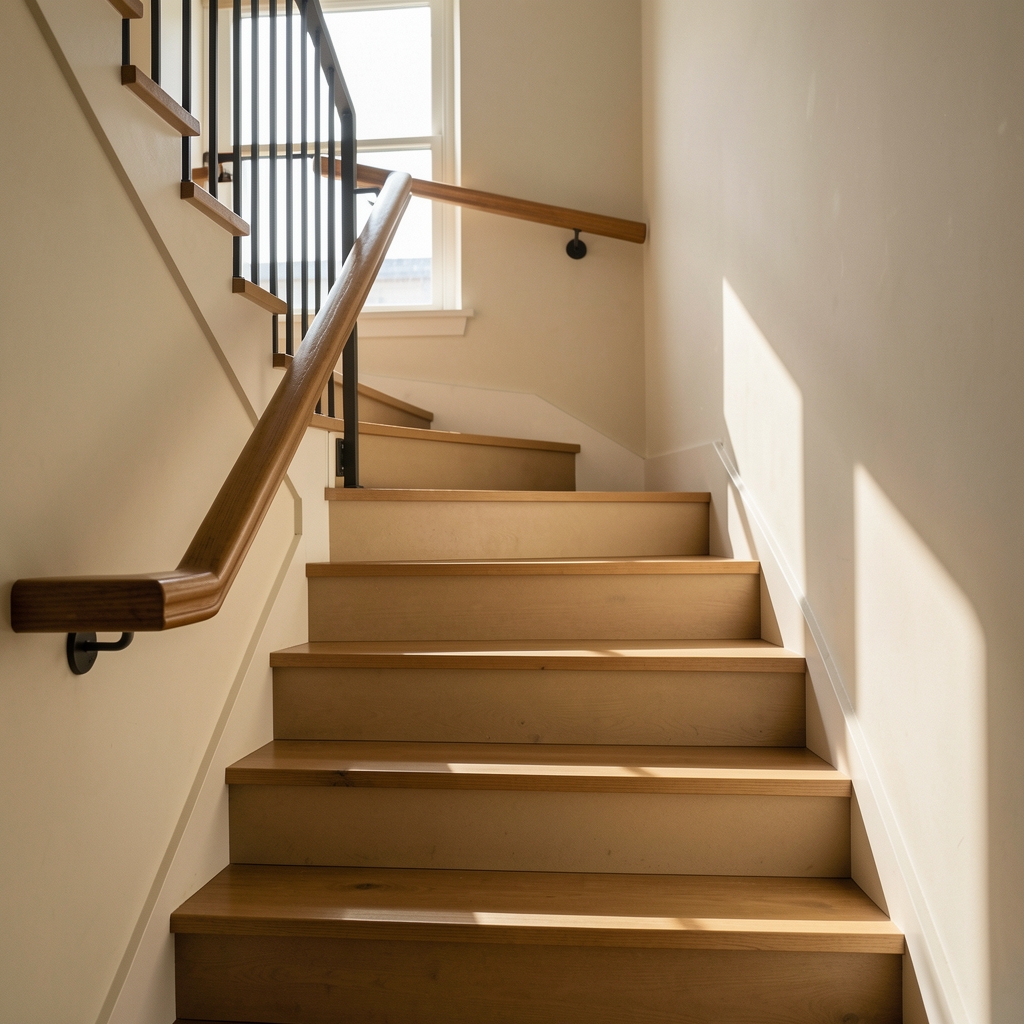
| Office | Standing after sitting | Use a stable support and vary the position |
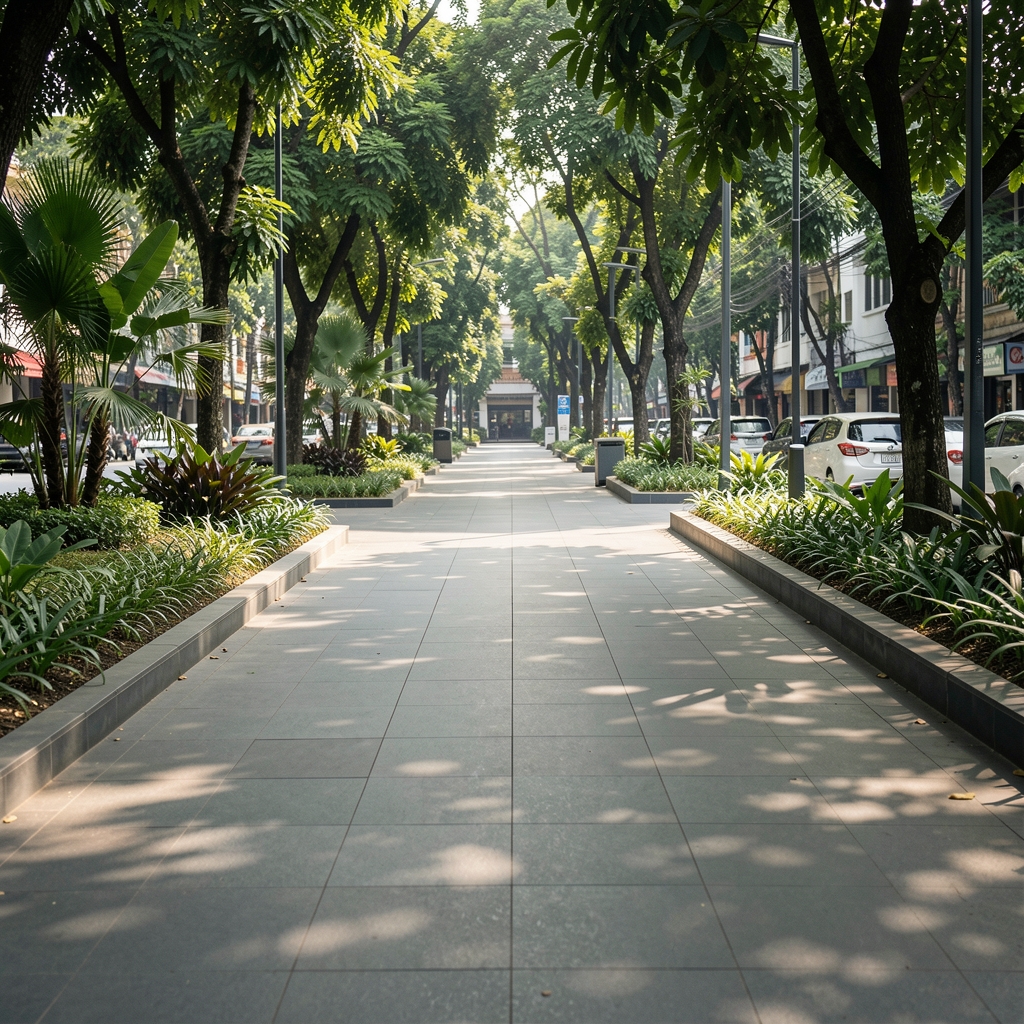
| Outdoor route | Uneven ground and crossings | Choose visible surfaces and allow extra time |
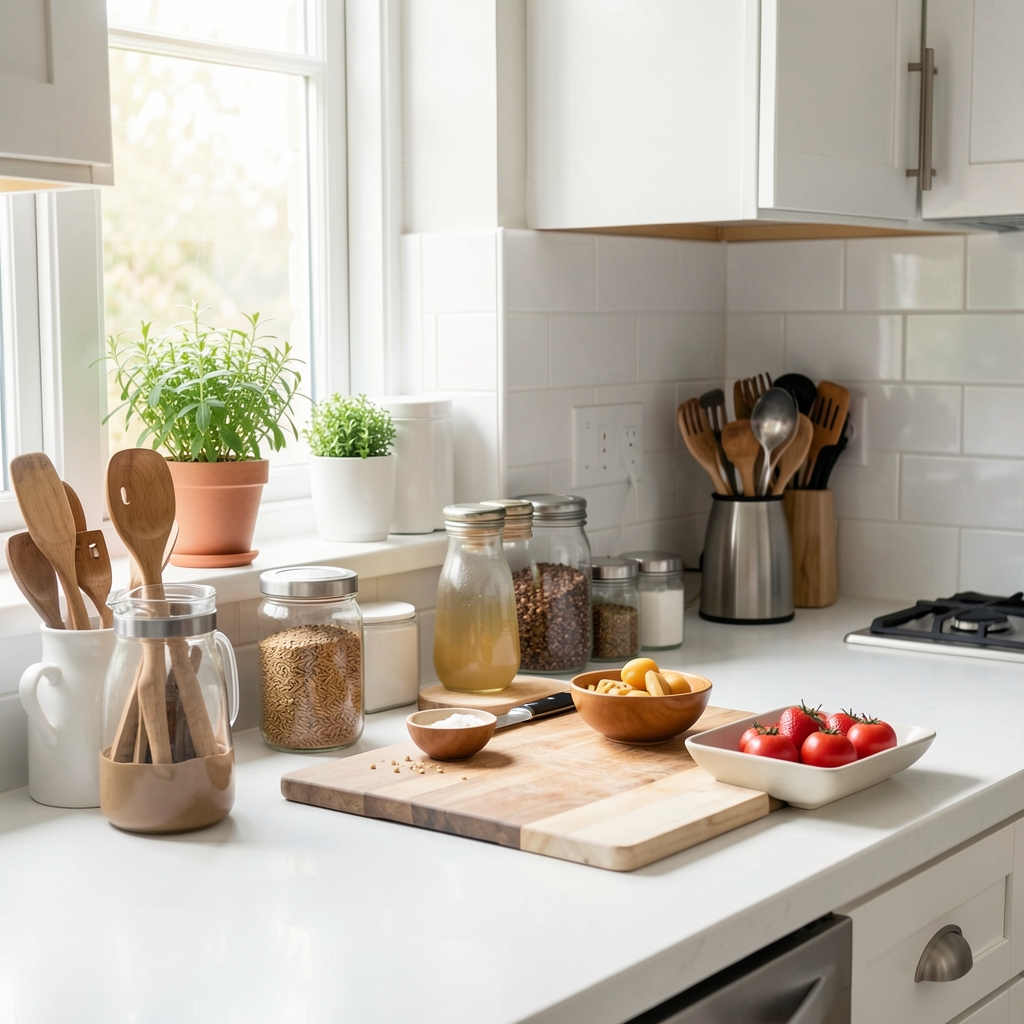
| Kitchen | Reaching and carrying | Place common objects between comfortable heights |
Range is the available space for a movement in a particular position. It changes with the surface, object, footwear, and attention.
Control is the ability to begin, pause, and finish a movement with awareness of the environment.
Confidence grows when a route or task is familiar, clearly described, and adjustable. It should not require ignoring useful caution.
“Good movement advice begins by looking at the floor, the doorway, the chair, and the time available.”
Because the same movement can feel different on a crowded pavement, a clear floor, a wet surface, or a narrow stair.
Not always. A controlled pace that suits the task is more useful than a fixed speed applied everywhere.
Repeat it with attention to crossings, shade, seating, and the points where a person naturally changes direction.
Loreus welcomes notes about accessible routes, useful public spaces, and the practical details that shape movement in Jakarta. Contact Jl. Thamrin No. 8, Menteng, Central Jakarta, Jakarta 10310, Indonesia, or +62 21 6815 3047.